
Inbound Marketing Mastery: A Simple Guide to Attracting Customers Naturally
What Is Inbound Marketing?
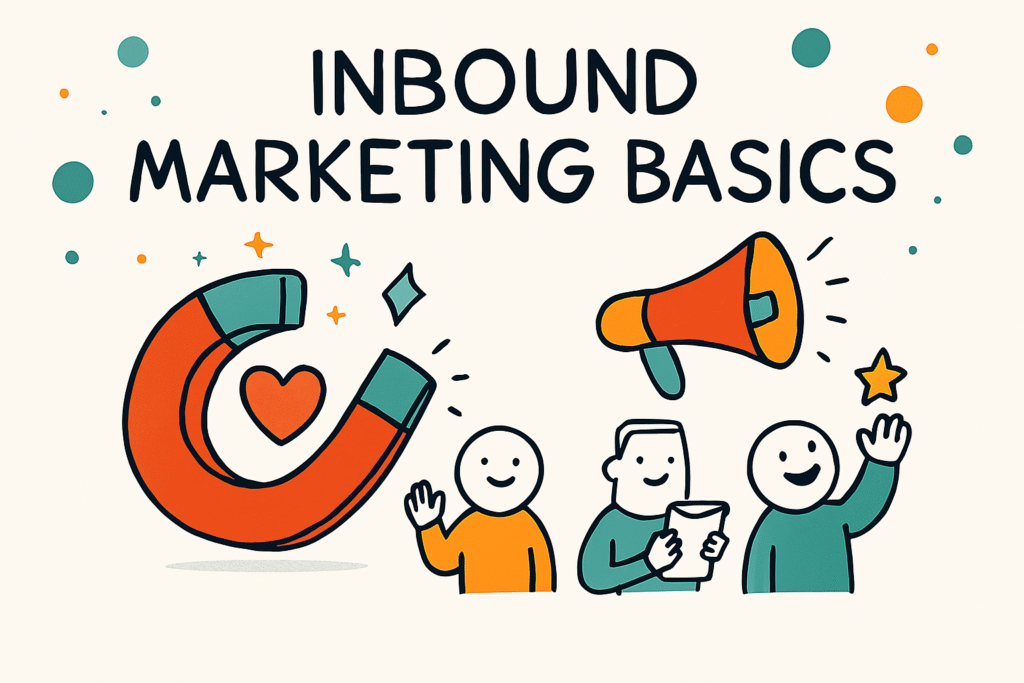
Inbound marketing is a strategy that focuses on attracting customers by creating valuable content and experiences tailored to their needs. Unlike traditional marketing—where brands push their message out using ads, cold calls, and promotions—inbound marketing pulls people in with information that solves their problems. Think of it as building a magnet instead of shouting through a megaphone.
Inbound marketing works because customers today don’t want hard selling. They want answers, guidance, value, and trust. When your brand becomes the place they rely on for honest information, they’re more likely to choose you when they’re ready to buy.
Why Inbound Marketing Matters Today
Customers control the buying process more than ever. They search online, compare options, read reviews, and educate themselves before making a decision. If your brand isn’t part of that journey, you’re invisible.
Inbound marketing helps you:
- Build trust before the customer even meets you
- Reduce marketing costs by relying on organic reach
- Generate consistent leads without aggressive tactics
- Create long-term relationships with your target audience
Instead of chasing customers, you guide them throughout their decision-making path.
The Core Principles of Inbound Marketing
Inbound marketing revolves around three simple yet powerful principles: attract, engage, and delight. Let’s break them down in a practical way.
1. Attract the Right Audience
Your goal is not to get “everyone” to notice you. It’s to get the right people to notice you. This starts with creating content that answers your audience’s questions.
Common attraction tools include:
- Blog posts
- SEO-optimized articles
- Social media content
- Informative videos
- Educational guides
Good content brings people to you naturally. When someone searches for something related to your industry and finds your blog, you’ve already won the first step.
2. Engage With Value
Before a customer considers buying from you, they need to trust you. Engagement means giving them something genuinely helpful.
Examples include:
- Free eBooks
- Email newsletters
- Webinars
- Product comparison guides
- Case studies
The goal is simple: help them make better decisions. When people feel understood, they stay longer and start building a connection with your brand.
3. Delight for Long-Term Loyalty
Most businesses stop once the customer buys. That’s a mistake.
Delighting your customer means:
- Responding quickly
- Offering support
- Sharing helpful follow-up content
- Rewarding loyalty
Delighted customers become repeat buyers and recommend your brand to others—giving you free marketing.
Key Components of a Strong Inbound Marketing Strategy
To get real results from inbound marketing, you need a system. Here are the essential parts that make it work:
Content Creation
This is the heart of inbound marketing. Your content should:
- Solve a problem
- Answer a question
- Educate clearly
- Be easy to understand
Content formats you can use:
- Blogs
- Infographics
- Short videos
- Email tips
- Social media threads
The more helpful your content is, the more trust you generate.
Search Engine Optimization (SEO)
SEO helps your content appear when people search for relevant keywords. If your content doesn’t show up, it doesn’t matter how good it is.
Good SEO includes:
- Choosing the right keywords
- Writing clear headings
- Using meta descriptions
- Improving page speed
- Adding internal and external links
SEO brings you organic traffic without paying for ads.
Lead Conversion Tools
Once someone finds your content, you need a way to turn them into leads.
Effective conversion tools include:
- Landing pages
- Sign-up forms
- Lead magnets like free templates
- Email nurturing sequences
The goal is to move a visitor from curious to interested to ready-to-buy.
Automation and CRM Systems
You can’t manually track every customer interaction. Automation tools like email workflows or chatbots help you respond instantly and stay consistent. A CRM system organizes your leads and tracks their progress.
Automation doesn’t replace human effort; it enhances it.
How Inbound Marketing Builds Long-Term Growth
Inbound marketing isn’t a shortcut. It’s a long-term investment. But once it starts working, it creates compounding benefits.
Here’s what long-term inbound success looks like:
- Your content brings organic traffic 24/7
- You spend less on paid ads
- Your brand reputation grows naturally
- Leads come in with higher intent
- Your customers trust you without pushing
Brands that embrace inbound marketing end up building communities instead of just customer lists.
Common Mistakes to Avoid
Even though inbound marketing looks simple, many brands fail because of these mistakes:
- Publishing content without SEO research
- Posting inconsistent content
- Focusing on selling instead of teaching
- Ignoring customer feedback
- Not optimizing old content
- Expecting instant results
If you avoid these mistakes, your inbound strategy becomes far more powerful.
Final Thoughts
Inbound marketing works because it respects the customer. Instead of interrupting them with ads, you help them with useful information. This builds trust, loyalty, and long-term growth.
If you want a strategy that feels authentic, cost-effective, and modern, inbound marketing is the direction you need to move toward. The brands winning today are the ones that educate, guide, and support not the ones that pressure and chase.